
About Area F
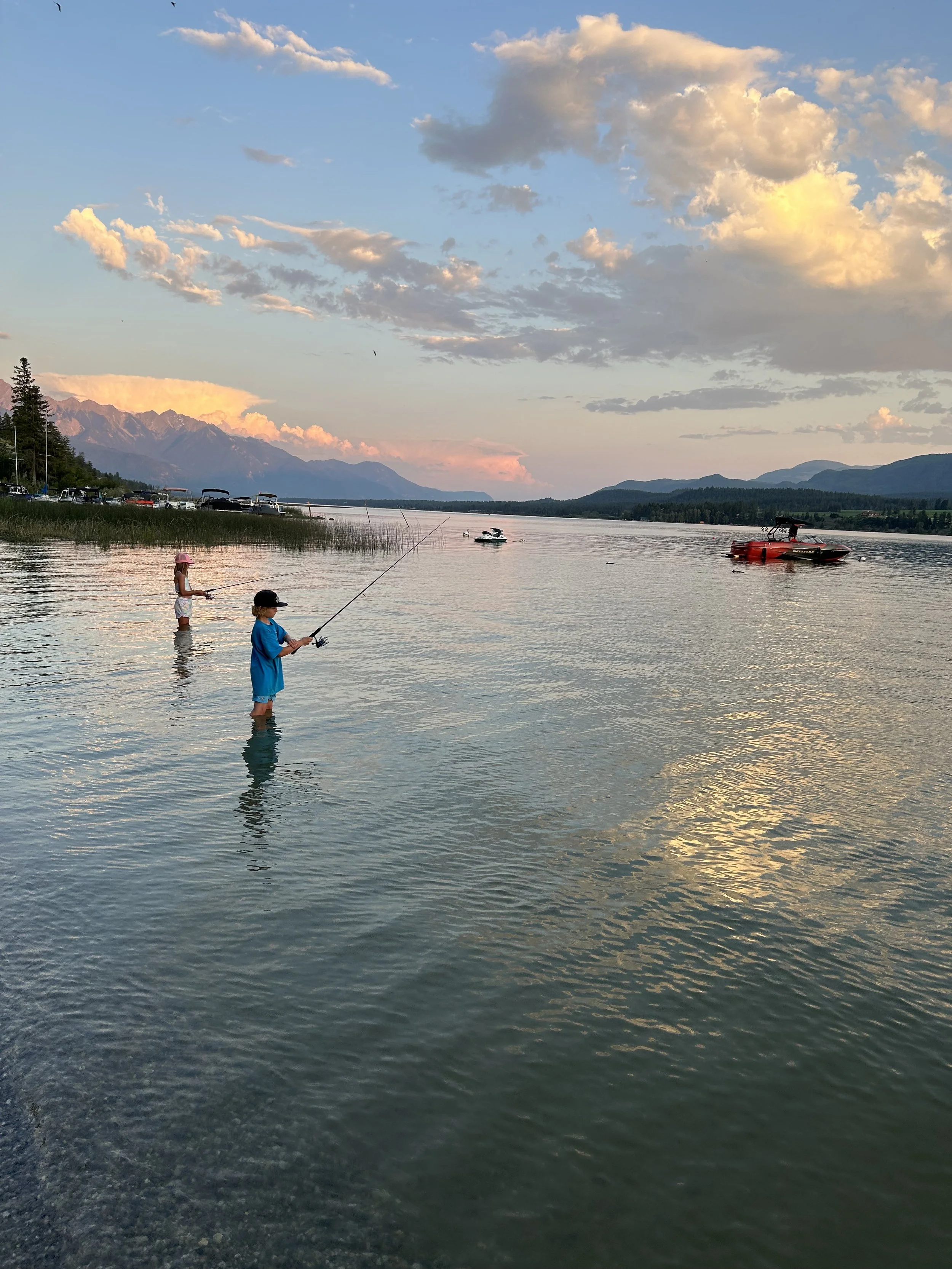
Diverse communities, shared interests
Area F includes communities with different histories, priorities and pressures. What is appropriate in Fairmont may not be right for Windermere, Panorama, Columere, Toby Benches or the rural areas between them.
But many of the decisions facing us are connected. Housing depends on water and infrastructure. Short-term rentals involve second homeowners, permanent residents, and consideration of the future of year-round neighbourhoods. Decisions about our lakes must consider environmental health, recreation, culture and the local economy.
These issues rarely offer simple choices. They require us to understand the interests of those involved, respect the direction communities have established, and capitalize on local momentum.
The sections below describe what I have heard so far, what I currently understand, and where I stand based on the information available today.
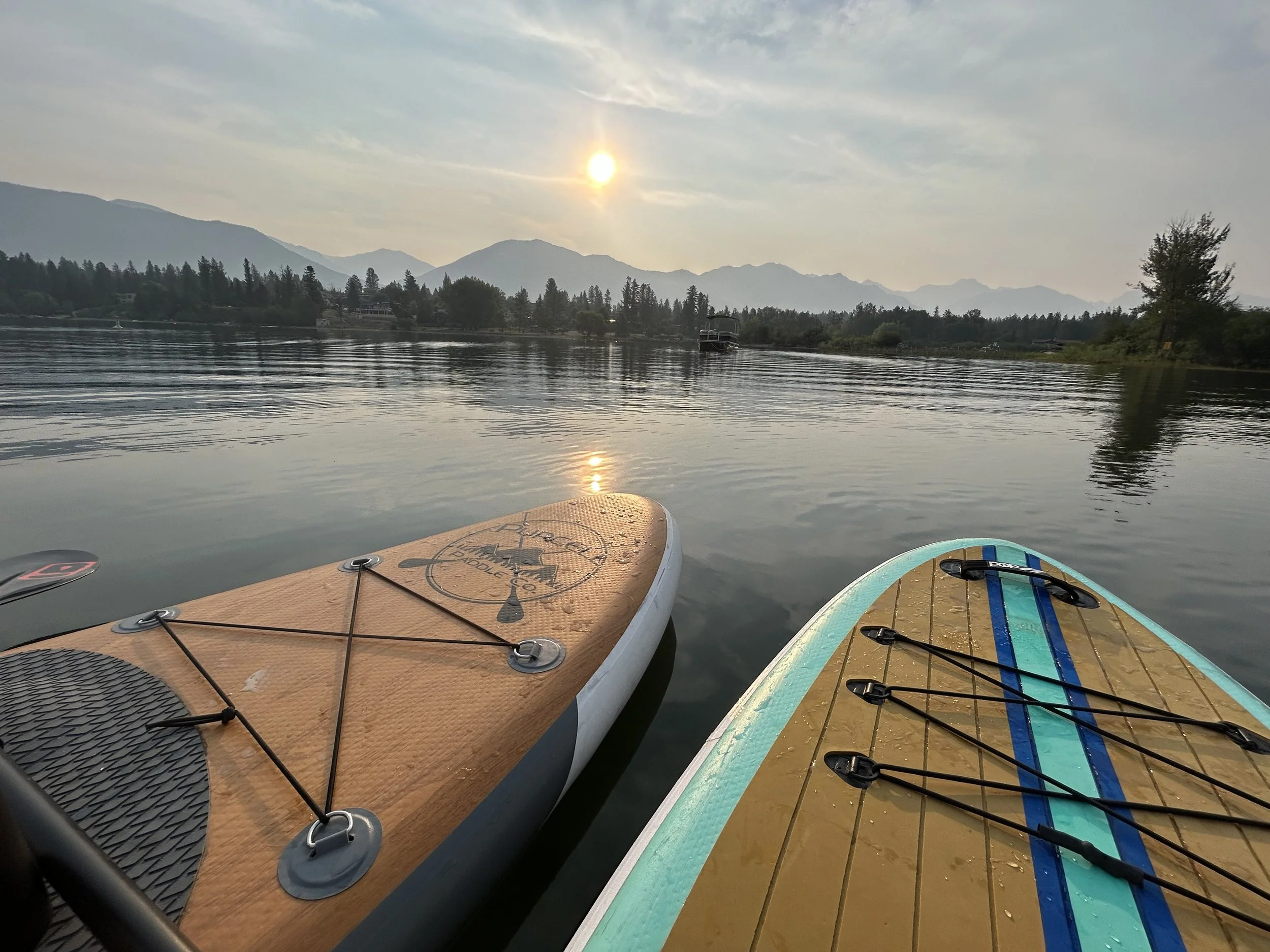

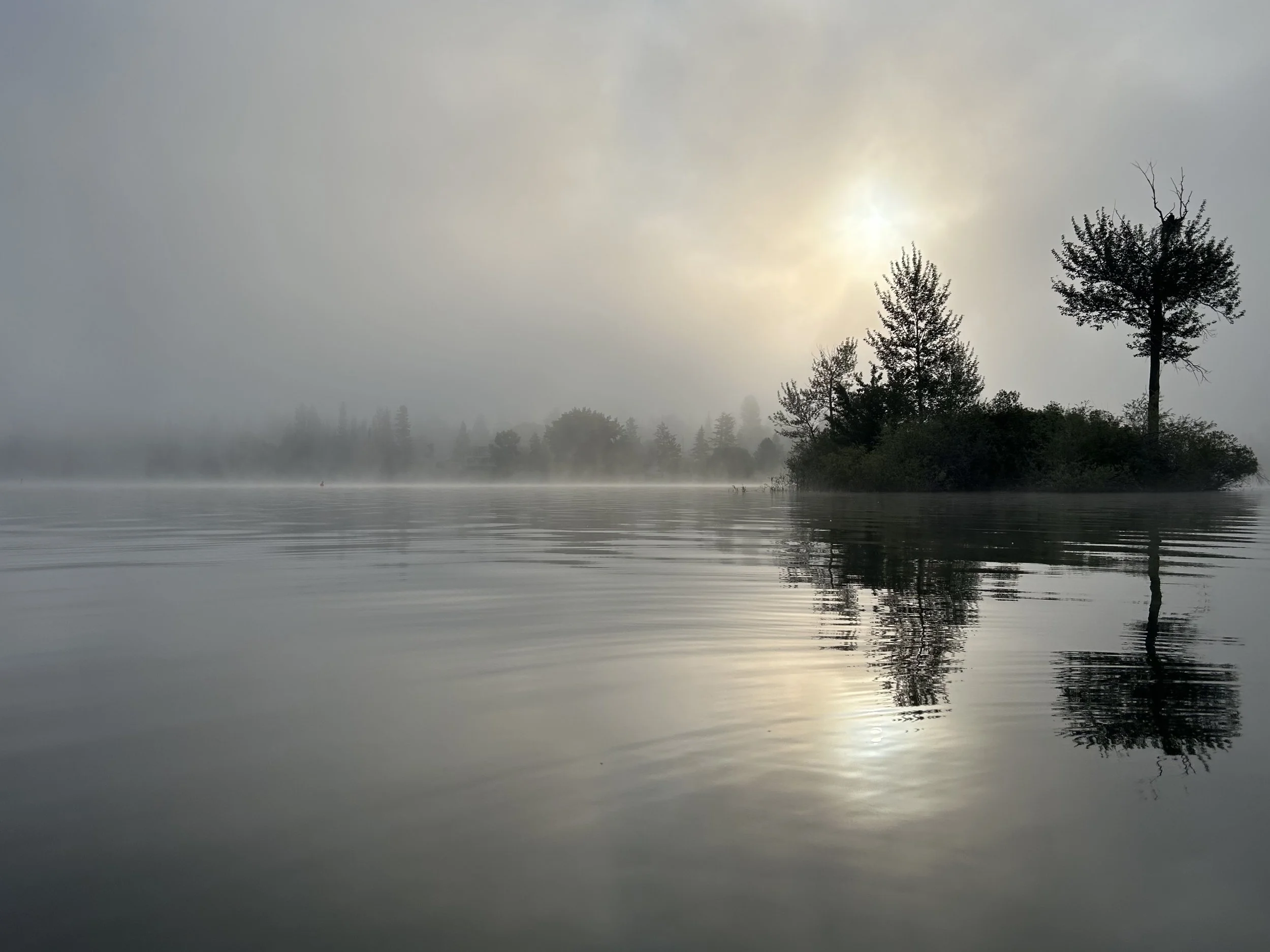
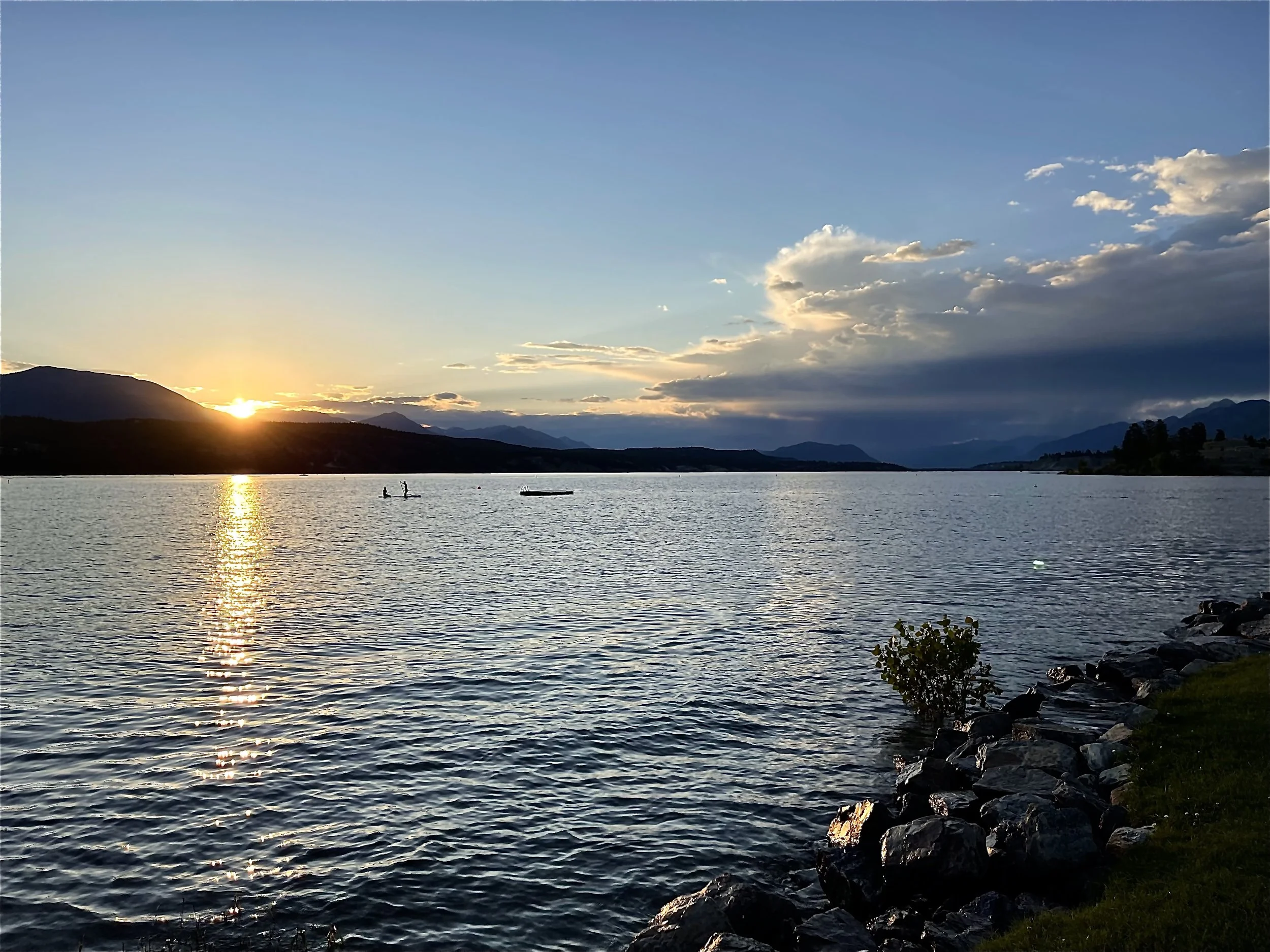
Lake Windermere and Columbia Lake are central to the environmental, cultural, recreational and economic life of the Columbia Valley. Residents of the valley have different views about how our lakes should be used, but there is a clear common ground that we all agree upon - we all want these lakes to remain healthy and available for future generations.
These lakes support wildlife, communities, recreation, tourism and local businesses, and are central to the culture of everyone who calls the Columbia Valley home. Protecting those values requires us to better understand how the lakes are being used, how they are changing, implications of our decisions and activities, and what may still need to be addressed.
Supporting the work underway, and identifying gaps
The RDEK Lake Windermere Management Plan was adopted by the RDEK in 2011, and the BC Ministry of Environment conducted a water quality assessment of Lake Windermere in 2010. While these studies are starting to show their age, they are still important documents that show lake health and activity at that time, provide a valuable baseline from which to measure, and offer clues about where future efforts may be directed.
In 2024, the Lake Windermere Ambassadors completed a Lake Windermere Recreational Impact and Sediment Quality assessment. They also conduct annual lake monitoring, and publish their findings on their website. In May 2026, the Akisqnuk First Nation announced it is launching a series of studies designed to map shoreline conditions, sediment movement, and analyze the economic importance of recreation on both lakes.
All of this important work contributes to improving our understanding of lake health, current and future recreational use, and economic impact. I support both the efforts of the Lake Windermere Ambassadors and Akisqnuk First Nation, as well as any other studies being undertaken to improve our understanding of these important resources and ecosystems. In fact, this is another important area of common ground - there is broad support for a data-informed approach to the future of these lakes.
Good information gives residents, First Nations, homeowners, recreational users, environmental organizations, businesses and governments a stronger common foundation for discussing the future of our lakes. It helps move the conversation beyond assumptions and toward a shared understanding of current conditions, emerging pressures and available options.
How my view is developing
In my conversations, I have heard strongly held views about motorized recreation, environmental protection, tourism, economic impact, and public access. I have also heard near-unanimous agreement that future decisions about these lakes should be informed by the best available information and should consider the full range of ways people and communities depend on the lake. This is our common ground.
I do not believe we need to decide the outcome before this work is complete and has had time to be analyzed. We should support the work underway, identify and fill gaps in our understanding, make the findings accessible to residents, and create opportunities for the different interests around the lake to understand what has been learned and what it may mean.
Where I currently stand
We need to continue supporting a data-informed and collaborative approach to lake health, recreation, and economic impact. As information becomes available, residents should be able to understand the findings, the choices available, and the environmental, cultural, recreational and economic impacts associated with those choices.
As Area F Director, I would work to ensure that this information is shared clearly, that everyone understands the study methodology, data interpretation and implications, and where data gaps remain. We need to ensure that all affected communities and organizations are meaningfully involved, and that future decisions reflect both the long-term health of the lake and the many people who value and depend on it.
Raising questions about lake health should not be viewed as an attack on motorized boats. Likewise, questions about the economic impact of potential decisions should not be viewed as an attack on environmental concerns. The goal should be to build a shared understanding of how we can protect our lakes while sustaining the communities, wildlife, culture, recreation and local economy connected to it.
Lake health and recreation: Finding common ground
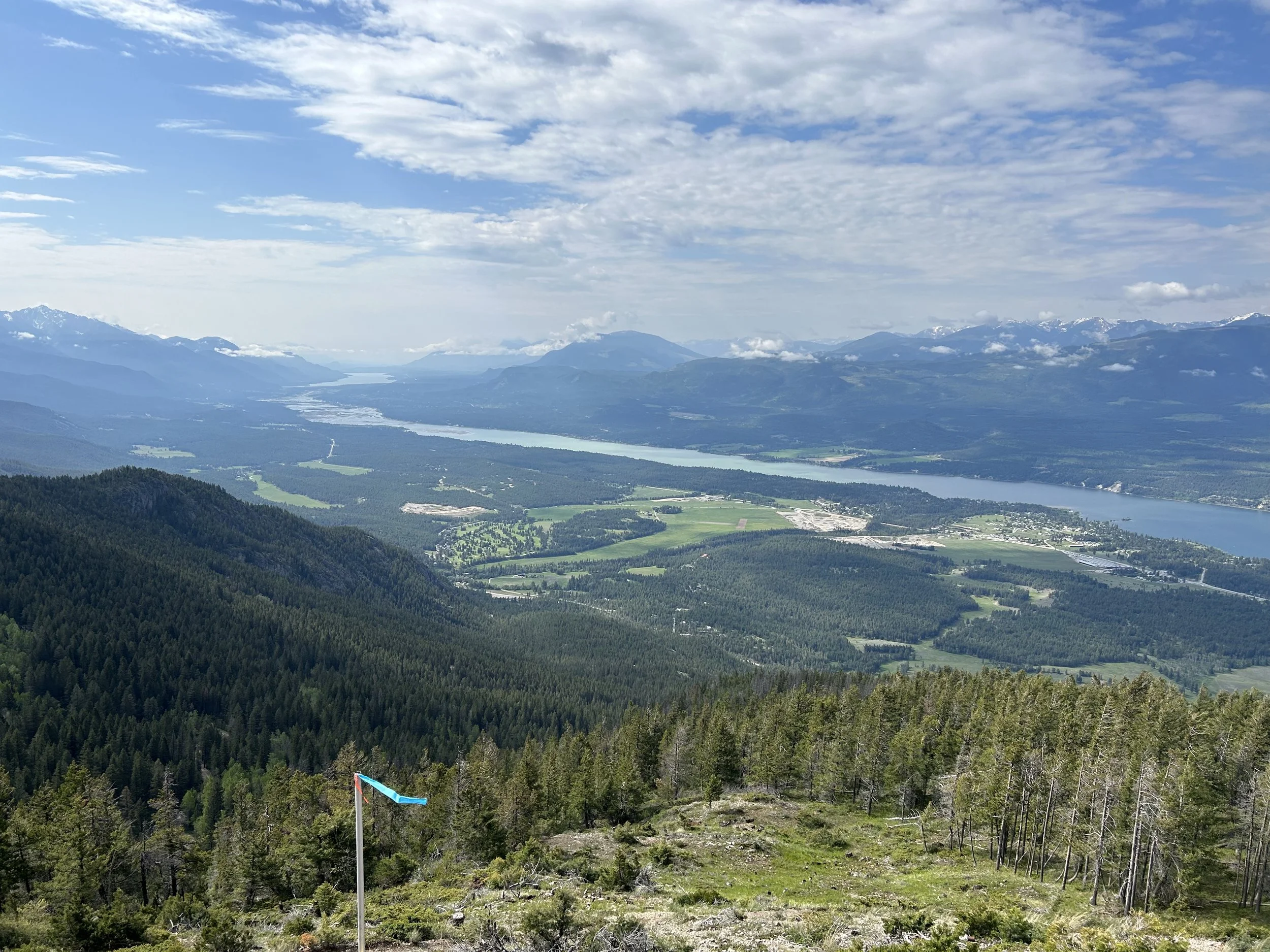
Heritage Heights: Balancing community character and housing needs
Windermere’s Heritage Heights decision raises a recurring question for Area F - how do elected officials balance Official Community Plan (OCP) and zoning amendments, community expectations, housing needs, infrastructure constraints?
On one hand, the Columbia Valley urgently needs more available housing, including homes that local workers and families can afford to purchase or rent. The proposed Heritage Heights development could eventually add approximately 120 homes to the local housing supply, with approximately 40 long-term rental units developed in the first phase.
On the other hand, community associations raised concerns over the increased density, and how water, wastewater, and road access would impact the community. All of these views need to be considered.
How my view developed
When I became aware of the proposal as a Windermere resident in early 2025, my first reaction was to support it. The Columbia Valley’s housing shortage is serious, and the property was already intended for residential development. But before we proceed on that decision, we need to ensure that water, sewer and road access is unequivocally solved before we move an important community decision further away from public input.
The intent is not to slow development - good developers can and should work with the RDEK and other appropriate bodies to address these issues in a timely manner.
What I would have supported
Based on what I know today, I would have supported working with the applicant, Windermere residents, RDEK directors and staff, and relevant provincial agencies to ensure that the water and wastewater servicing plan is as close to airtight as it can get before approving a zoning change. While this may take more work upfront, it provides greater clarity to residents who care about the outcome.
Heritage Heights also points to a much larger Columbia Valley issue: available, affordable housing. On this front, I would work with my fellow Columbia Valley directors and partners like the Columbia Valley Housing Society to identify additional locations where housing could be supported.
This approach would not guarantee consensus, but it would give residents, the applicant, and the RDEK board a clear basis for understanding the decision and considering possible paths forward.
Heritage Heights is specific to Windermere, but the underlying principles apply throughout Area F.
Because of the high prevalence of second homes in Area F communities, and the importance of the visitor economy here, short-term rentals (STRs) have been a major issue for years. The RDEK began formal consultation in 2021 and introduced its current Temporary Use Permit system in 2023. Yet after all this time, Area F still does not have a clear, durable and locally appropriate framework for managing short-term rentals.
We have enough experience with the current process to know that continuing to address this issue one property at a time is not a long-term solution. We need to re-ignite momentum around this issue and develop a framework that residents, property owners, operators and RDEK staff can understand and rely on.
The issue is larger than one property
In my conversations with Area F residents and community leaders, I have heard concern that the existing STR policy does not provide enough guidance about the cumulative effect of short-term rental approvals within residential neighbourhoods.
The current process asks whether a particular property is appropriate for use as a short-term rental. Residents and community associations are asking a broader question:
What kind of neighbourhoods and communities are we creating through the combined effect of these approvals?
An individual short-term rental may be responsibly operated and reasonable on its own, but a series of approvals can gradually change the balance of a neighbourhood, reduce the number of year-round neighbours and weaken the community relationships and sense of belonging that permanent and seasonal residents deserve.
These concerns are particularly important in Fairmont, Panorama Windermere, where short-term rentals are already common.
The current process is not the solution
In Area F, individual STR Temporary Use Permit applications are currently brought directly to the RDEK Board for approval.
Board consideration provides public oversight, but elected officials should not be tasked with deciding applications one property at a time. That is a sign that the broader policy has not yet provided enough clarity or confidence to operate as a durable framework.
The Board’s more important responsibility is to establish clear direction about:
Where short-term rentals are generally appropriate and at what concentration
How cumulative neighbourhood impacts will be considered
What operating expectations apply and how they will be enforced
Which unusual applications genuinely require elected judgment
With clearer guidance, routine applications can and should be administered consistently while elected officials focus on community-wide policy, cumulative impacts and exceptional cases.
Where I currently stand
Community associations, RDEK staff and Directors have already invested considerable time studying this issue and developing recommendations. I will carefully review that work while continuing to listen to permanent residents, second-home owners, STR operators and other affected groups in order to identify the best regulatory or policy tool.
Based on what I know today, I believe the current Area F approach towards STRs needs to be reconsidered. We need clearer guidance for approvals, greater consideration of community character and belonging, and an enforcement process that residents understand and trust.
At the same time, the framework must recognize that second-home ownership and responsibly operated visitor accommodation are established parts of Area F and its visitor economy.
Area F has spent years working through this issue. The next RDEK Board should bring renewed momentum toward a predictable and locally appropriate resolution that respects property owners while protecting the communities that make Area F a place where people want both to visit and call home.
Short-term rentals: Area F needs a clear path forward
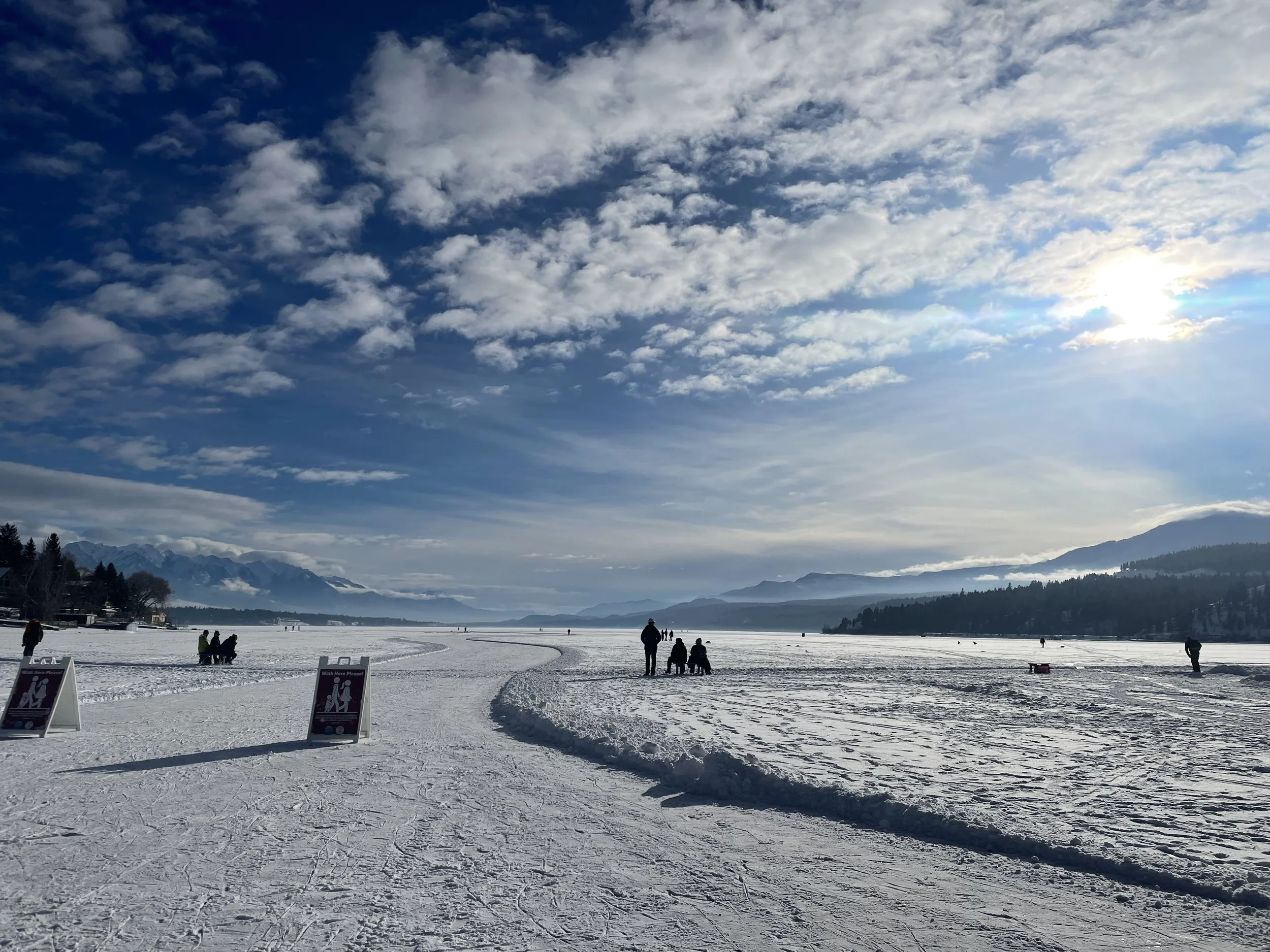
Good government should be clear and predictable while remaining open to better ways of working. Predicability comes from setting priorities, and then setting milestones and measurable steps that take us from today to tomorrow.
The issues facing Area F are closely connected. Addressing them will require clear priorities, fresh thinking and strong collaboration across communities and organizations.
With the right relationships and a shared sense of direction, we can build move important issues forward together.
New thinking, clear direction
Your Director should help create the conditions for progress.
That means listening carefully, bringing the right people together, defining shared priorities, connecting local ideas with resources and decision-makers, and building support around practical action.
It also means communicating clearly and regularly about what is happening, what comes next and where greater effort is needed. This is an ongoing process, not just something that happens at election time.
That is the approach I would bring to the role: listen, lead, and get things done.
What the Director can do